Lust Frontiers is a story-led tactical card game at its core. Initiative and positioning matter every turn — here is how a battle actually unfolds.
Combat Built Around Card Play
Every operation in Lust Frontiers is a turn-based battle fought on lanes. You build a deck before deployment and draw from it during the fight, which means the preparation you do at the base matters as much as the choices you make mid-battle. Each card represents a unit, an ability, or a tactical order, and playing it at the right moment changes the shape of the engagement.
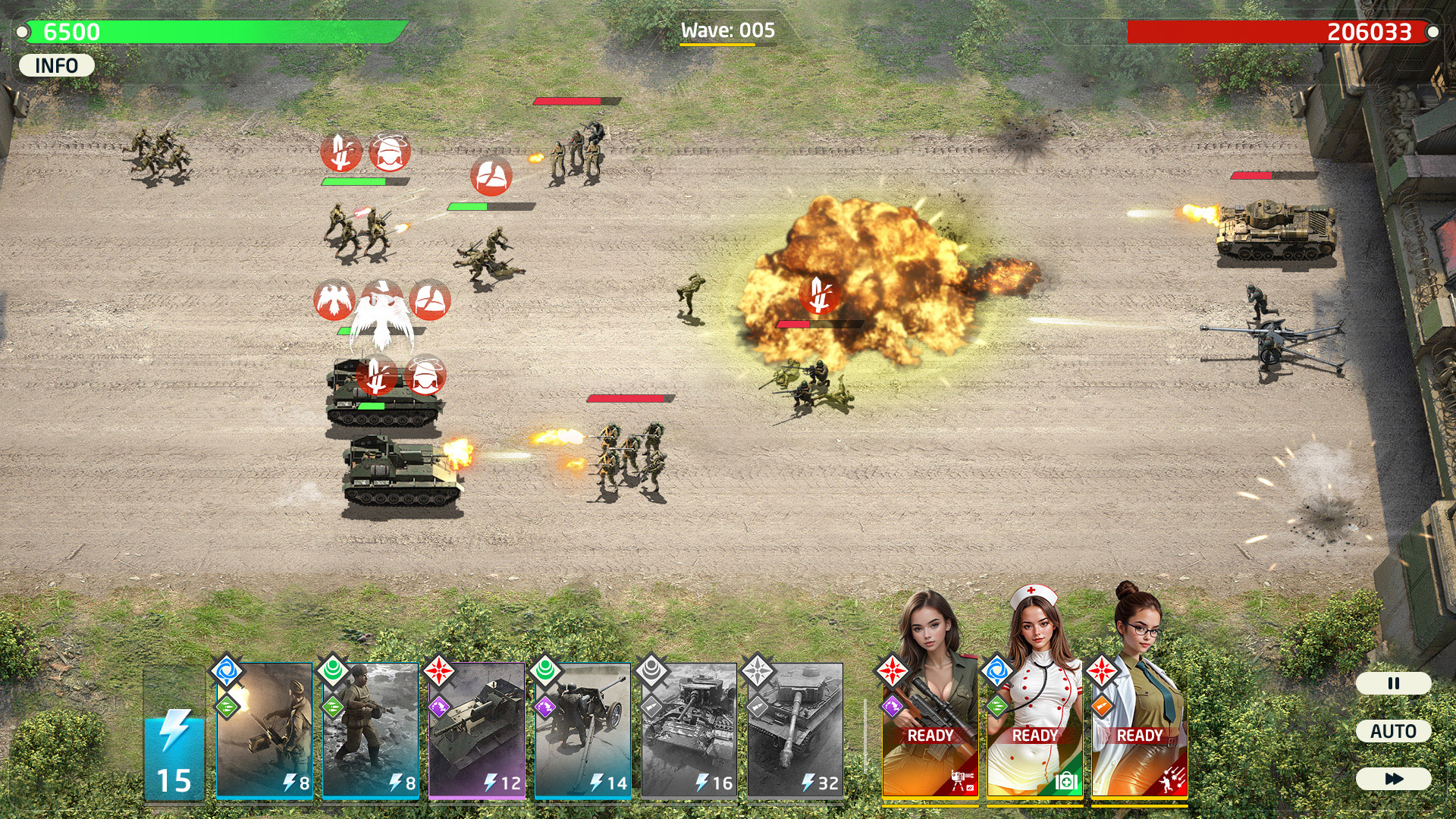
Initiative is decided at the start of each turn, and positioning decides who gets to act first. Line up units that work together, commit armor and infantry at the right beat, read the enemy formation, and interrupt their rhythm with well-timed skills. Wins tend to go to adaptation, not raw numbers alone.
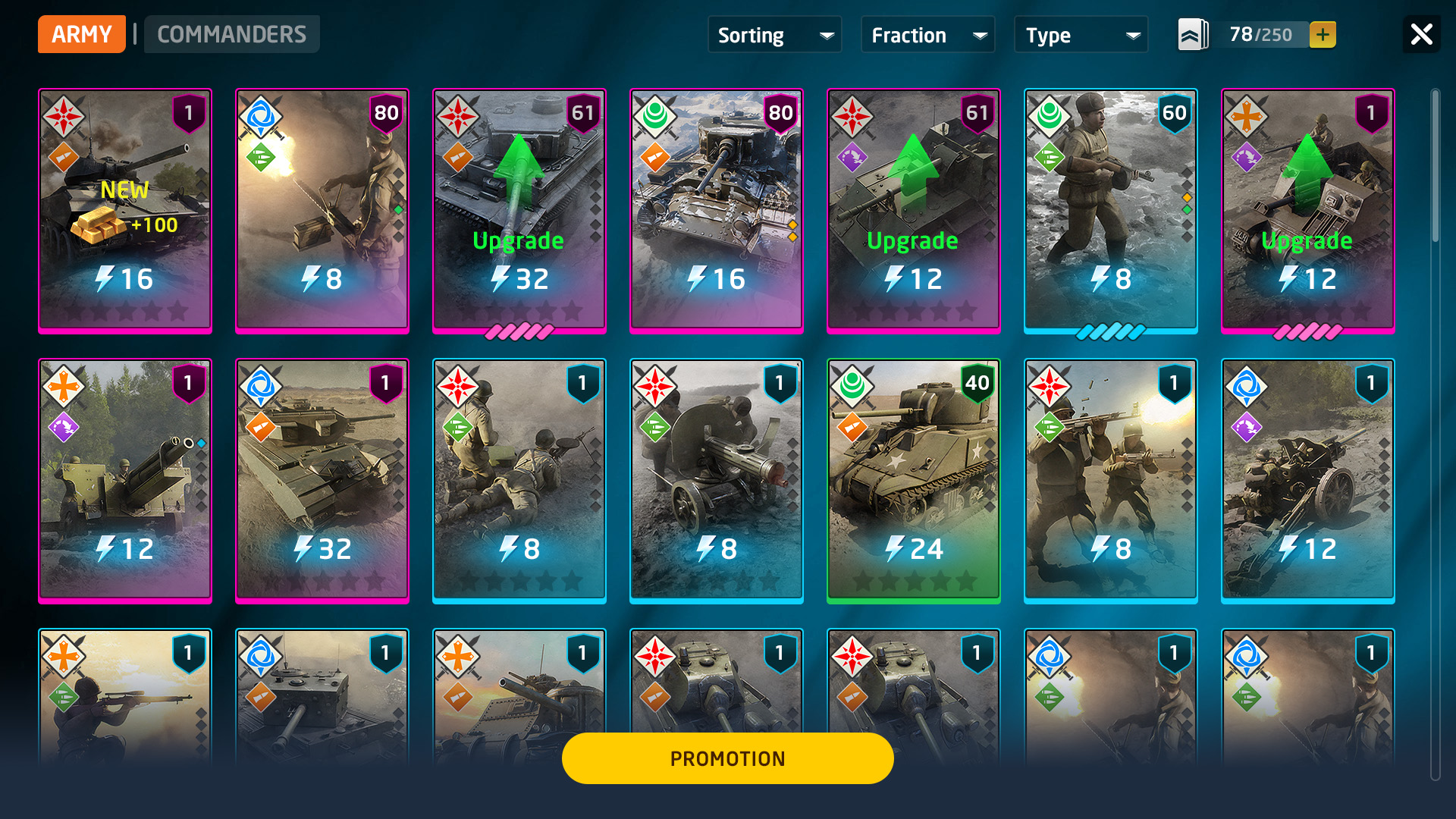
Unit cards on the lane battlefield — order of play decides the fight
Units, Roles, and Formations
Your squad is built around distinct combat roles. Armored units hold the line and soak up damage, infantry pushes forward behind them, and ability cards turn the tide when the enemy overcommits. Building a formation that covers its own weaknesses is the core of deck construction.
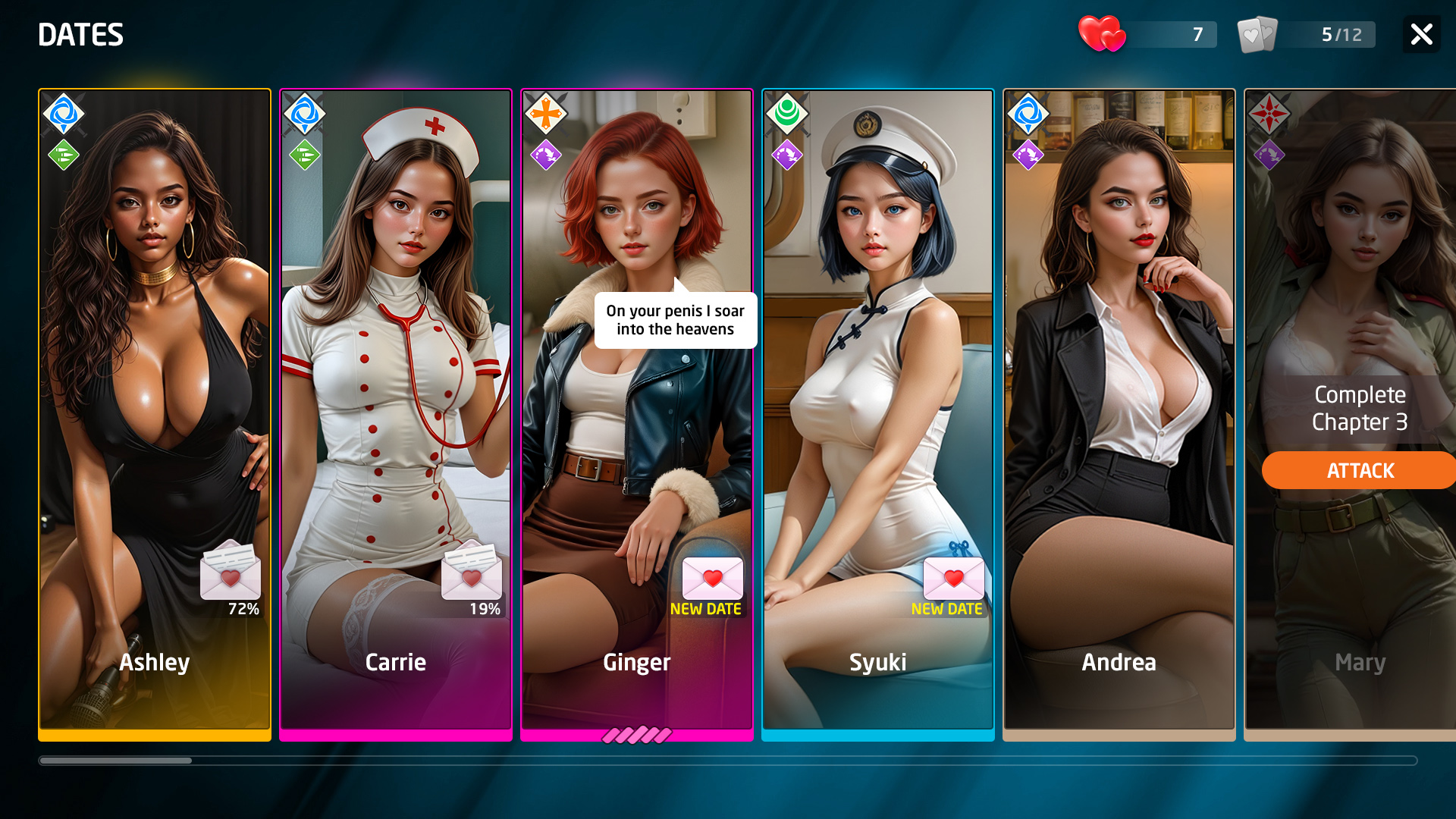
The rarity system gives you a long-term collection goal: better cards drop from harder missions and events, and duplicates feed into upgrades. Because the roster is made of mercenaries with their own combat roles, your deck is also your squad — improving one means deciding which relationship to invest in.
Role
What it does
Best paired with
Armor
Holds the lane, absorbs incoming damage
Infantry push units
Infantry
Deals consistent damage, advances the line
Armor shields and healers
Support
Heals, shields, and buffs the squad
Any frontline composition
Striker
High burst damage on a long cooldown
Control cards that stall the enemy
Campaign, Daily Missions, and Events
There is a full solo campaign path that carries you through the wasteland, with branching story choices that feed back into how your squad develops. Daily battles and daily missions keep the loop tight: short fights with meaningful rewards that nudge you toward logging in regularly and experimenting with new lineups.
Events rotate through the calendar, each one with its own rules, rewards, and limited-time mercenaries. Even a modest daily session builds toward something bigger — this is a game designed for players who like steady progress rather than marathon grinds.
Armored units advance while infantry pushes behind them
Ranked PvP and Guild Battles
When you want to test your squad against a thinking opponent, ranked PvP is waiting. These are fast, high-stakes clashes: deploy tanks, infantry, and abilities at the perfect moment to break enemy formations. Reading your opponent's lineup and countering their moves turns a losing fight into a comeback.
The leaderboard gives the competitive scene its spine, and guild battles add a team layer on top. Both modes reward adaptation over raw card value, so a clever captain with a mid-tier deck can outplay a whale with a full collection.
Ranked PvP: read the enemy formation and counter it
Why the Combat Feels Different
Most card battlers reward whoever spends the most. Lust Frontiers leans the other way: because initiative and lane position are decided every turn, a smaller deck that cycles well can outpace a bigger one. The game also rewards reading your opponent — in PvP that means watching their habits, and in the campaign it means learning each enemy faction's tells.
The crossover with the relationship system is what sets it apart. Cards are people: the striker you leveled is the woman you spent the last three evenings talking to. That connection makes deck building feel personal, and it gives every upgrade a story attached to it.
Whether you prefer the solo campaign, the competitive ladder, or the slow burn of building the perfect squad, the core loop stays the same: prepare, deploy, adapt, and repeat — with better gear, tougher mercenaries, and new story branches waiting on the other side of every win.